

Tiredness / Fatigue
The food and drink that you consume can have a big effect on your energy levels.
Why am I always tired?
The feeling of being tired is extremely hard to define since everybody has their own idea of what being tired means. Everybody experiences fatigue from time to time and the most common reason is usually lack of sleep.
With lifestyles becoming busier and more demanding, the number of people complaining of being persistently tired is increasing every year.
1 in 10 people suffer from constant tiredness, with women more likely to be affected than men.
Symptoms of Tiredness:
- Always feeling tired despite a full night’s sleep
- Feeling irritable
- Feeling physically drained and constantly tired
- Being unable to concentrate
- Taking a long time to complete simple tasks
If you find yourself asking “why am I always tired?” and feeling lethargic without an obvious cause you should visit your GP to rule out any underlying medical conditions. Factors that could be contributing include diet, vitamin deficiencies, anaemia, diabetes, sleep apnea, and thyroid problems.
Why are we often tired?
Health reasons why you could be so tired:
Anaemia. Iron deficiency is one of the most common reasons for feeling overly lethargic, having a ‘can’t be bothered’ attitude or for aching muscles. Anaemia tends to affect 1 in 20 men and women and can be rectified by taking iron supplements. You should also go about including more iron-rich foods in your diet such as molluscs, liver, nuts and dark leafy greens like spinach and Swiss chard.
Diabetes. One of the main symptoms of prediabetes and diabetes is feeling very tired. The other key symptoms are feeling very thirsty, going to the toilet a lot due to the lack of control of sugar levels in your blood. If you think you might have diabetes or prediabetes and/or if you are experiencing persistent tiredness or extreme drops in energy levels, then it is important that you get tested.



Why Yorktest
What Our Clients Have To Say

Mark Pottage
42-year-old IT Consultant, Mark Pottage, was dealing with a range of unpleasant symptoms including IBS, bloating, fatigue and occasional diarrhoea. After taking a YorkTest and removing trigger foods, he was back to feeling normal again, without fear of how tomorrow would be after consuming certain foods.
42-year-old IT Consultant, Mark Pottage, was dealing with a range of unpleasant symptoms including IBS, bloating, fatigue and occasional diarrhoea. After taking a YorkTest and removing trigger foods, he was back to feeling normal again, without fear of how tomorrow would be after consuming certain foods.
Symptoms: IBS, bloating, fatigue, diarrhoea

Luca Bigg
I’d 100% advise people try yorktest because I’ve noticed such a difference myself. I thought I wouldn’t really but now, after doing it, I understand that it needs to be done. You need to have a look at what you’re eating and your diet
I’d 100% advise people try yorktest because I’ve noticed such a difference myself. I thought I wouldn’t really but now, after doing it, I understand that it needs to be done. You need to have a look at what you’re eating and your diet
Symptoms: fatigue

Elsa Madrolle
I feel like I finally have the answers to some life-long questions and a path forward. I hope to be able to help other people understand that they are in control of their bodies.
I feel like I finally have the answers to some life-long questions and a path forward. I hope to be able to help other people understand that they are in control of their bodies.
Symptoms: chronic pain, tiredness, weight gain
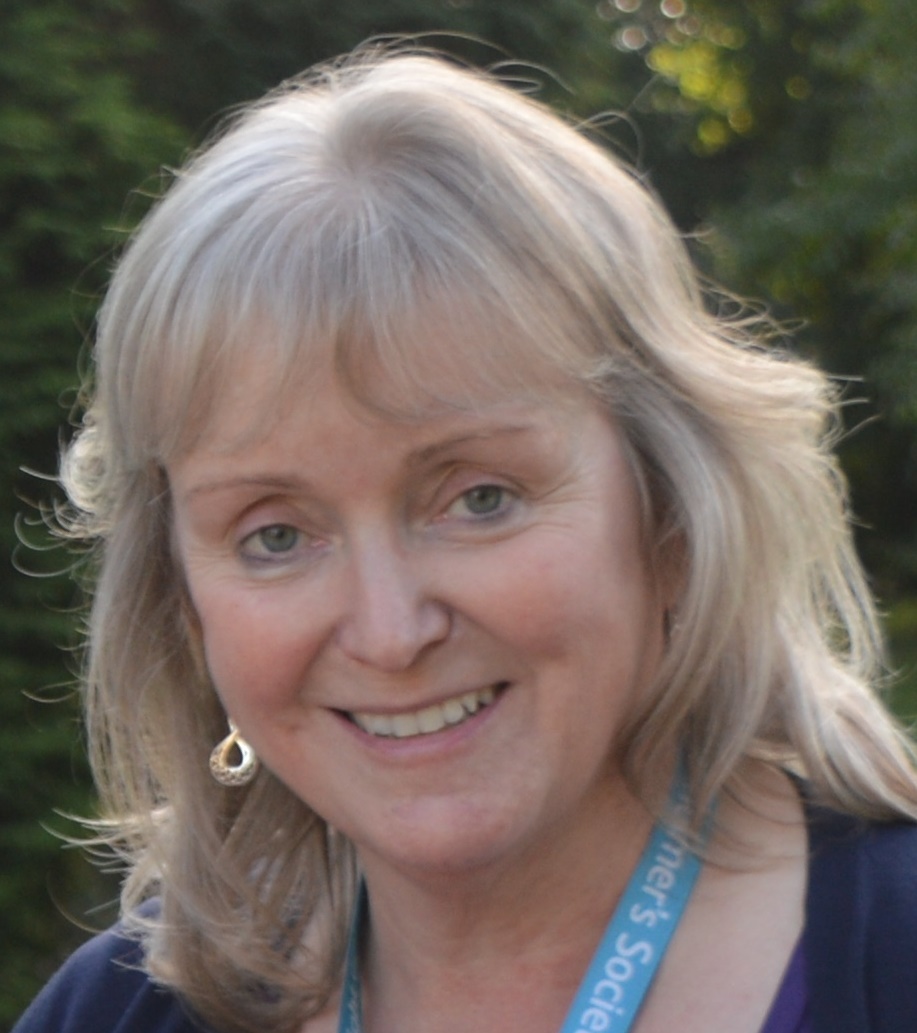
Alison Wrigglesworth
I feel lighter, with more energy and much happier not having to live with constant pain. I would like more people with my rare autoimmune condition to be able to take the test.
I feel lighter, with more energy and much happier not having to live with constant pain. I would like more people with my rare autoimmune condition to be able to take the test.
Symptoms: fatigue, aches, pains

Eric Aarons
I just turned 60, and I look and feel the best I have in years.
I just turned 60, and I look and feel the best I have in years.
Symptoms: stomach aches, bloating, diarrhoea, fatigue, skin rash